
Dampwood termites in California
(Archotermopsidae)
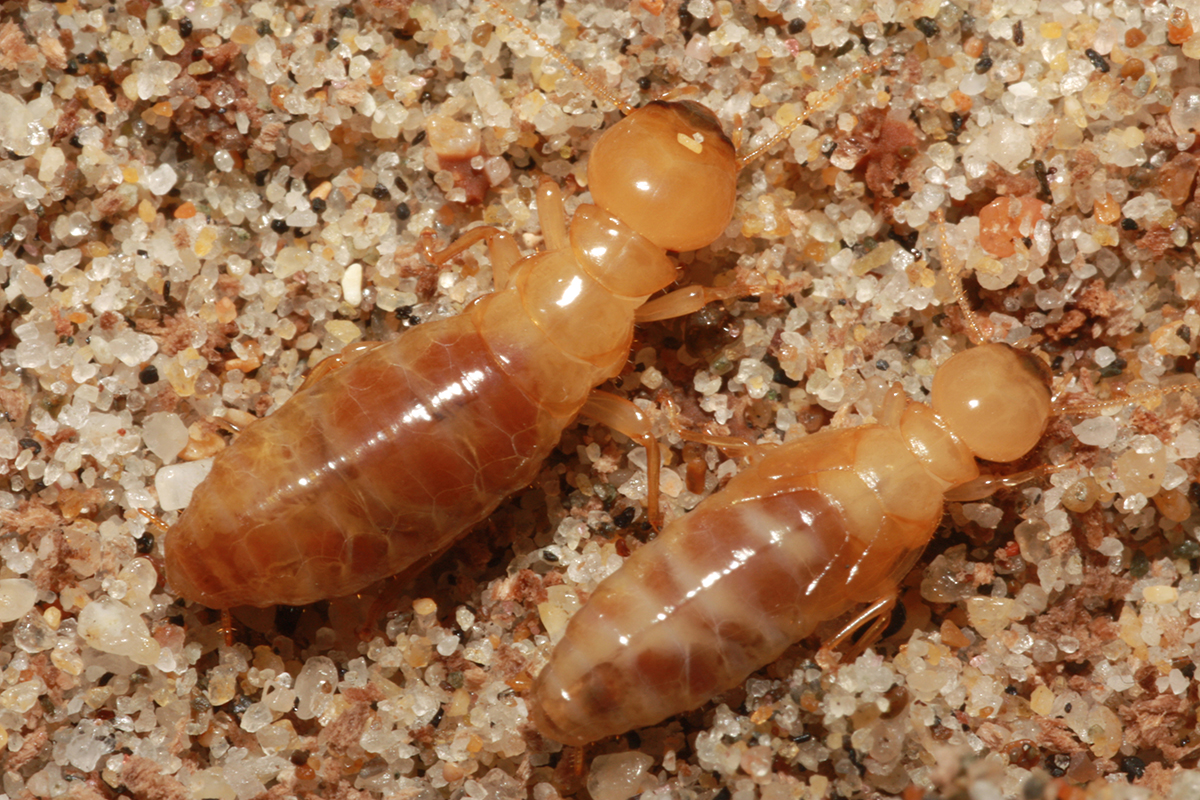
Dampwood termites live and feed in very moist wood. In California, they’re most often found in cool, humid coastal areas, though dampwood species also occur in other parts of the state. They commonly infest decayed wood that stays wet because of soil contact or a water leak. Their presence in or near a building can point to a moisture problem or wood decay that needs attention. ipm.ucanr.edu
Dampwood termites differ from subterranean termites, which nest in soil, and drywood termites, which can infest relatively dry wood. Identifying the termite correctly helps determine what should be inspected and addressed. See our guides to subterranean termites, drywood termites, and common termites in California.
Concerned about damp or damaged wood around your home?
Where dampwood termites are found
Dampwood termites favor wood with high moisture content. They’re often associated with stumps and fallen trees, and may be found in structural wood that stays wet from soil contact or leaks. UC IPM notes that they’re most often found in cool, humid areas along the California coast. ipm.ucanr.edu
If you find termites in a damp area, look for the source of moisture as well as signs of wood damage. A leak, poor drainage, or wood in contact with soil may need attention; fixing moisture conditions can help address what makes the wood suitable for dampwood termites.
Signs to look for
- Wood that is damp, decayed, or damaged
- Large, open galleries inside affected wood
- Termites or swarmers near damp or decaying wood
- - Termite pellets near infested wood
Dampwood termite pellets can be confused with other debris, and pellets alone don’t confirm the species or extent of an infestation. A professional inspection can help identify the pest and assess accessible areas of the structure.
Dampwood termites vs. other termites
Dampwood termites need very moist wood. Drywood termites can live in drier wood above ground, while subterranean termites nest in soil and may reach wood through shelter tubes. Because signs can overlap, don’t rely on a single clue to identify the termite.
What to do if you suspect dampwood termites
Start by addressing any apparent moisture source, such as a leak or wood-to-soil contact. Avoid applying pesticides based on a visual guess; the right next step depends on what type of termite is present and where it is active. An inspection can help determine whether termites are present, locate visible damage, and identify conditions that may be contributing to the problem.