
Drywood Termites: Signs, Identification & Inspection
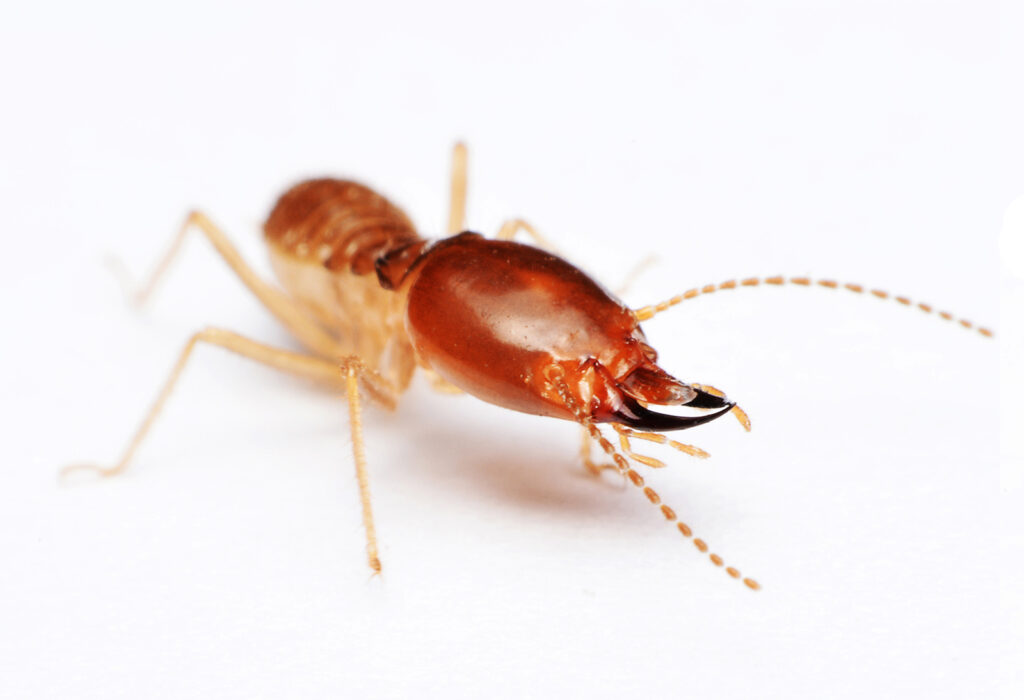
Drywood termites live and feed inside the wood they infest. Unlike subterranean termites, they don’t need to connect their colony to the soil. In California, the western drywood termite is commonly found along the coast, into the Central Valley, and in Southern California’s deserts.
Found pellets or tiny holes near wood?

Signs of drywood termites
Drywood termites can be difficult to detect because they live inside wood. Possible clues include:
- Small, hard pellets that collect below infested wood or small openings
- Kickout holes—tiny openings termites use to push pellets out of the wood
- Discarded wings or swarmers, often noticed during warmer months
- - Damaged wood with galleries or tunnels inside
Drywood termite pellets often have six flattened sides, but debris can be mistaken for termite pellets. Pellets alone also can’t show whether an infestation is active or how extensive it is.
Drywood termites vs. subterranean termites
Drywood termites nest in the wood they infest and don’t need soil contact. Subterranean termites usually nest in soil and may build mud or shelter tubes to reach wood. Dampwood termites are associated with wood that has high moisture content.
How are drywood termites inspected and treated?
An inspection looks for signs such as damaged wood, shed wings, pellets, and kickout holes. Because drywood termites can be hidden inside wood, identifying the infestation and its extent may require a professional assessment.
Treatment depends on the inspection findings and the extent and location of the activity. Options may include localized treatment or, for widespread infestations, whole-structure fumigation. No single approach is right for every property.
How can I reduce the chance of drywood termites entering?
Maintain exterior wood, repair structural gaps or defects that provide access to wood, and store firewood away from the home. These steps can reduce access points, but they can’t guarantee a structure will remain termite-free.
When should I request an inspection?
Consider an inspection if you find possible termite pellets, kickout holes, swarmers indoors, or unexplained damage to wood. These clues are worth checking, but they don’t confirm an active infestation on their own.