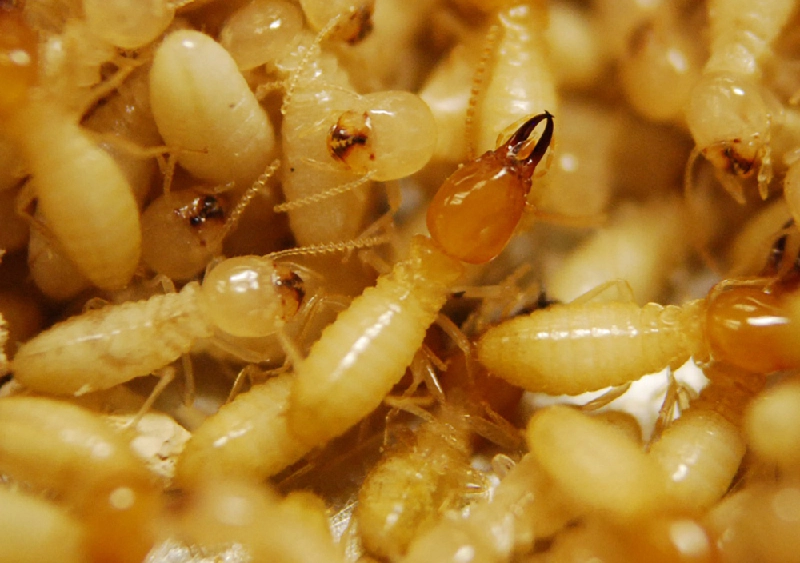
Common Termites in California
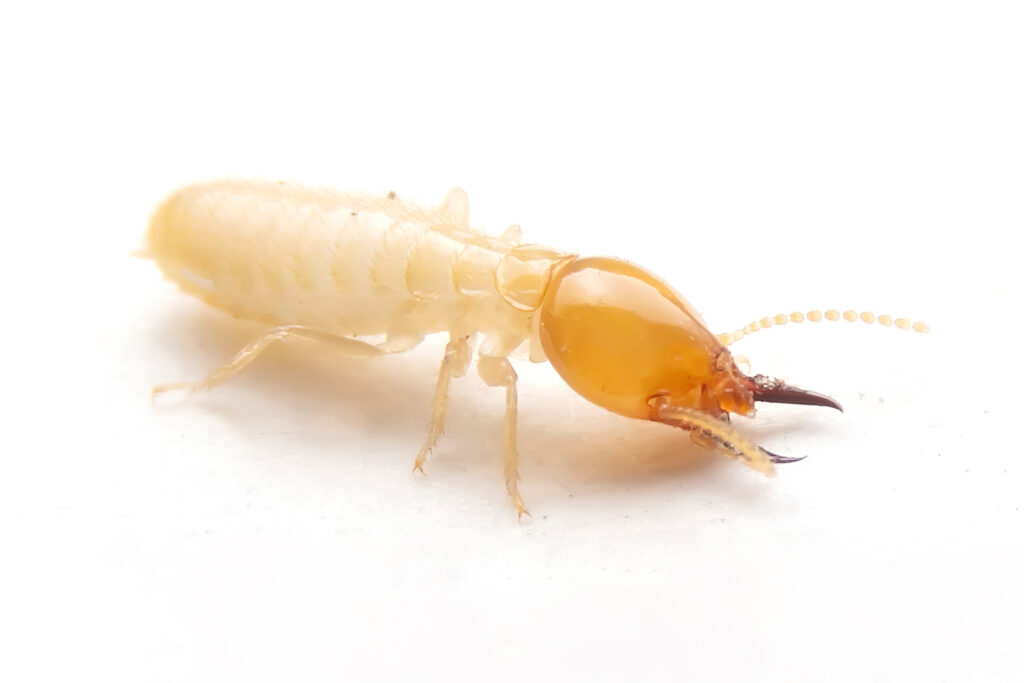
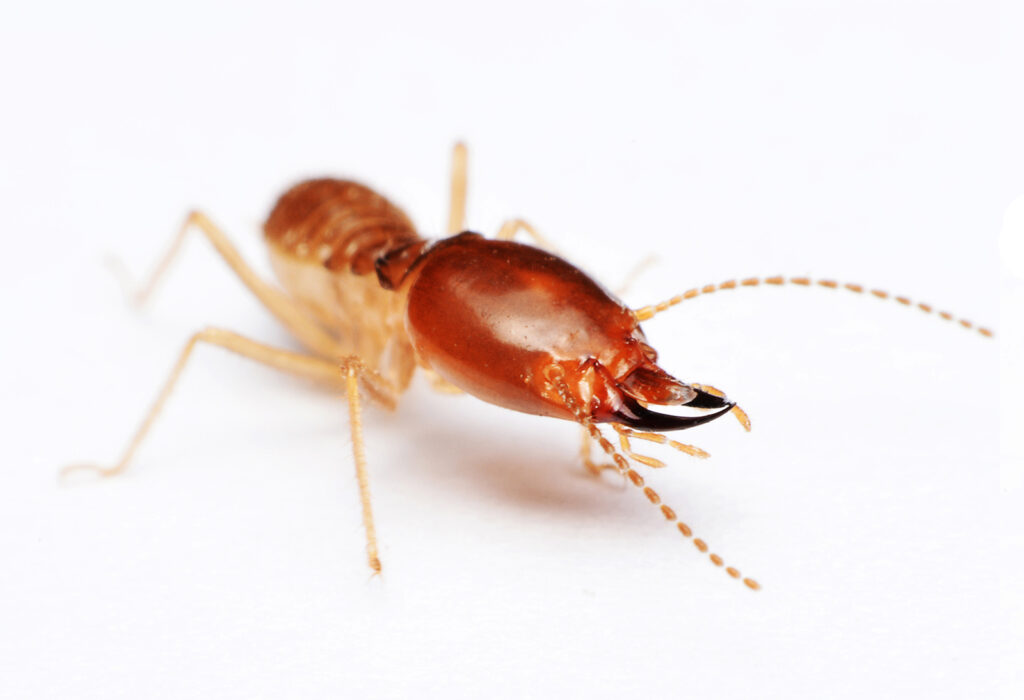
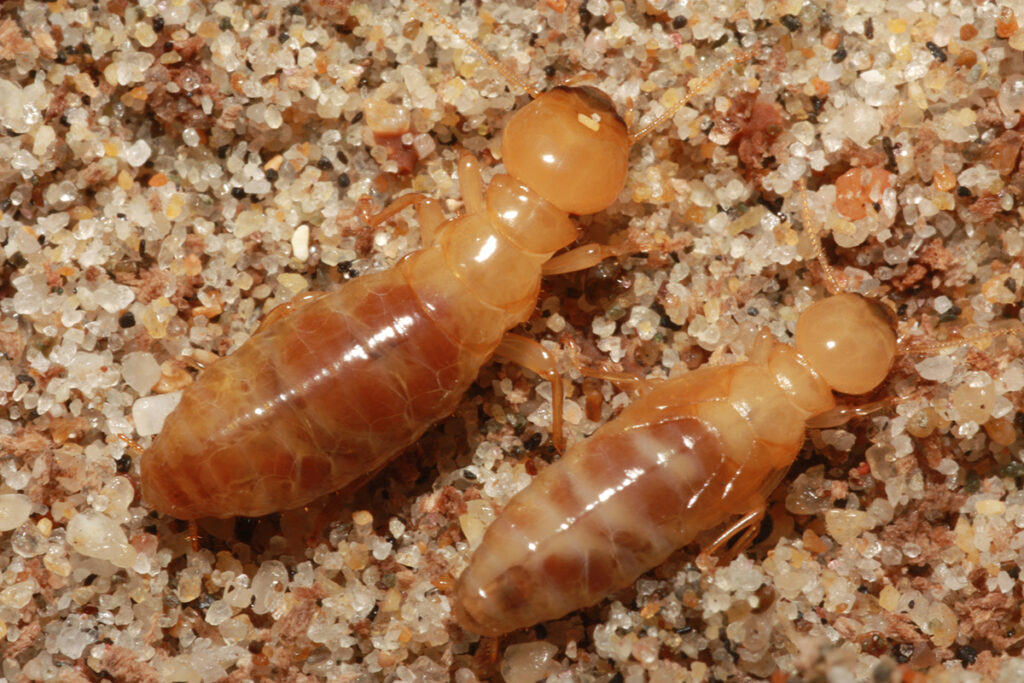
California has three main groups of termites that can affect homes and other structures: subterranean, drywood, and dampwood termites. They differ in where they live and the signs they leave behind. Knowing those differences can help you understand what you may be seeing, though an inspection may be needed to confirm termite activity.
Not sure which termite you’ve found?
If you’re in Killroy’s service area, an inspection can help identify the activity and clarify next steps.
Subterranean Termites
Where they live: In soil; they reach wood through shelter tubes or soil contact
Signs to look for: Mud or shelter tubes, damaged wood, swarmers
Subterranean termites nest in soil and can reach structural wood through earthen shelter tubes. They are common in California. Mud tubes on a foundation or wall are a frequently seen clue, but a professional inspection is needed to confirm an infestation and assess its extent. Learn more about subterranean termites.
Drywood Termites
Where they live: Inside dry, sound wood, without needing soil contact
Signs to look for: Small piles of hard pellets, damaged wood, swarmers
Drywood termites live and feed inside the wood they infest, so they don’t need contact with soil. They can infest structural lumber, furniture, and other wood. Their small, hard pellets may collect beneath an infested area. In California, western drywood termites occur along the coast and also extend into the Central Valley and Southern California deserts. Learn more about drywood termites.
Dampwood Termites
Where they live: In moist or decaying wood
Signs to look for: Activity in damp wood; possible moisture problems or wood decay
Dampwood termites live in moist wood, often where wood is decayed or exposed to a leak or soil moisture. They are more often found in cool, humid areas, including coastal and forested regions. Their presence in a structure can point to a moisture problem or wood decay worth addressing. Learn more about dampwood termites.

What about Formosan termites?
Formosan subterranean termites are an invasive termite group. UC IPM reports that they are established in California in a limited area near San Diego. So it is unlikely they are in our area.

Consider an inspection if you find mud tubes, termite-like pellets, unexplained wood damage, or swarmers indoors. The signs can help point to a termite group, but they don’t confirm an infestation on their own.
Killroy provides termite inspections in the South Bay, Tri-Valley, and Santa Cruz County. Learn about termite inspections or contact Killroy.