
Termite Inspection and Treatment What's the Difference​

Termite Inspection vs. Treatment: What’s the Difference?

Termite Inspection vs. Treatment: What’s the Difference? A termite inspection and termite treatment serve different purposes. An inspection looks for signs of termite activity or damage. Treatment addresses a confirmed infestation using a method selected for the termite type, the location and extent of activity, and the structure. An inspection doesn’t eliminate termites, and not
Read More »
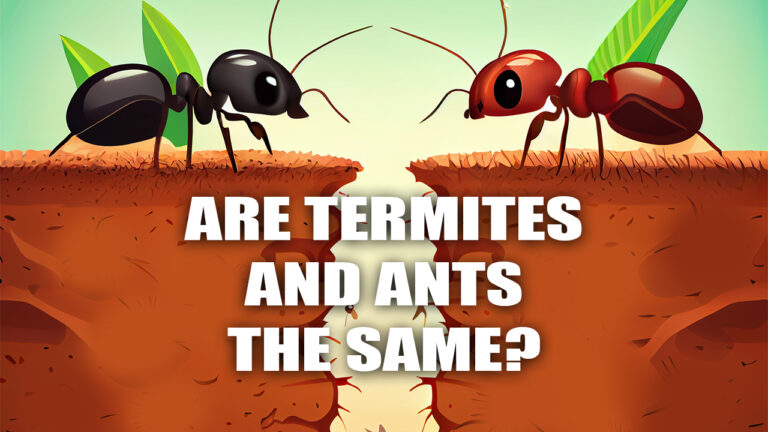
Are Termite and Ants the Same

Termites vs. Ants: How to Tell Them Apart

Termites vs. Ants: How to Tell Them Apart Termites and ants can both form large colonies, and their winged swarmers are sometimes mistaken for one another. But they are different insects, with different body shapes and signs of activity. Here are a few clues that can help you tell them apart. Taxonomic Connection Between Ants

Read More »
How to Identify Termites: Signs and Common Types​

How to Identify Termites: Signs and Common Types

How to Identify Termites: Signs and Common Types Termites can be difficult to identify because many live inside wood or underground. In California, common termite groups include subterranean, drywood, and dampwood termites. Their signs and habitats differ, so the clues you find can help guide an inspection—but a professional may need to confirm the pest

Read More »
How Much Do Termite Inspections Cost

How Much Does a Termite Inspection Cost?

How Much Does a Termite Inspection Cost? The cost of a termite inspection depends on the property and the type of inspection you need. A general inspection because you’ve noticed possible termite activity may have a different scope from a written wood-destroying pest inspection report for a real estate transaction. Before scheduling, ask what the

Read More »
What Inspectors Will Look For During Your Termite Inspection

What Does a Termite Inspector Look For?

What Does a Termite Inspector Look For? A termite inspection looks for visible evidence of termite activity or damage in accessible areas of a property. An inspector may also note conditions that could make a structure more vulnerable, such as excess moisture or wood in contact with soil. These conditions can be useful to address,

Read More »
How to Protect Your Home From Termites​

How to Protect Your Home From Termites

How to Protect Your Home From Termites No maintenance routine can guarantee that termites won’t reach a home, but a few steps can make conditions less favorable and help you spot problems earlier. Focus on moisture, wood-to-soil contact, and the condition of your home’s exterior. If you find signs of activity, have a professional inspect

Read More »
Winter Guide to Termite Inspections

Are Termites Active in Winter in California?

Are Termites Active in Winter in California? Termite activity can change with the season, but winter doesn’t rule out a termite problem. In California, subterranean termites can forage throughout the year, although their activity is generally lower during winter. Swarming also varies by termite type, location, and weather. What happens to termites in winter? Subterranean

Read More »
Limit Termite Food Sources

How to Reduce Termite Food Sources Around Your Home

How to Reduce Termite Food Sources Around Your Home Termites feed on cellulose, a material found in wood and other plant matter. Because many homes contain wood, removing every potential food source isn’t realistic. You can reduce some termite-conducive conditions by managing wood debris near the structure and limiting direct contact between soil and untreated

Read More »
Moisture Problems to Look Out for During a Termite Inspection

Moisture Problems to Check for During a Termite Inspection

Moisture Problems to Check for During a Termite Inspection Moisture problems can contribute to wood decay and create conditions that may be relevant to a termite inspection. Leaks, poor drainage, and damp wood are worth addressing, but moisture alone does not confirm that termites are present. The connection depends on the termite type. Dampwood termites

Read More »
Scroll to Top