
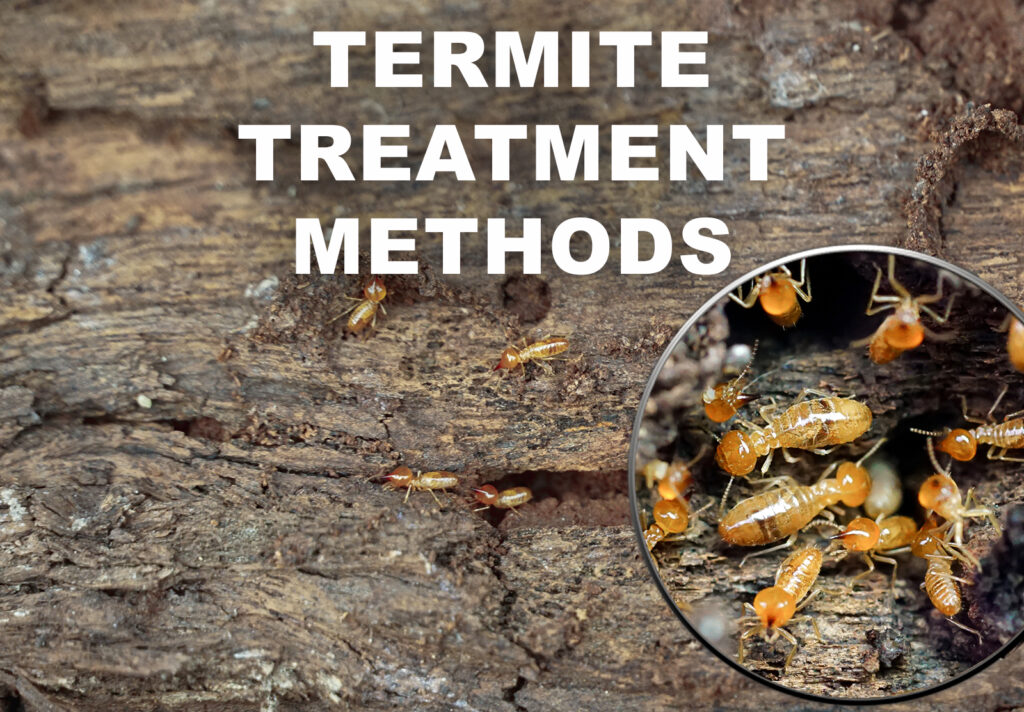
How to Choose the Right Termite Treatment Method
There isn’t one termite treatment that works best for every home.
The right approach depends on the type of termite, where the activity is found, how widespread it is, and which areas of the structure can be accessed. A professional termite inspection can help establish those details and explain which options may fit your property.
Start with the inspection findings
Before comparing treatments, ask the inspector to explain what type of termite was identified, where activity or damage was found, and whether any areas could not be inspected. Ask what the proposed treatment is intended to address and what follow-up will be needed.
A treatment plan for subterranean termites may differ from one for drywood termites. The methods aren’t interchangeable: UC IPM notes that fumigation and heat treatments used for drywood termites do not reach subterranean colonies near or below ground.
Common options for drywood termites

A professional treats an identified area, such as a particular piece of wood or a limited group of boards. This can be appropriate when the infestation is well located, but hidden colonies may be difficult to detect, so localized treatment may not address activity elsewhere in the structure.
Fumigation or heat treatment may be considered when drywood termite activity is widespread or difficult to locate. These methods have different preparation, occupancy, and property considerations. Ask the provider what the process involves and follow the instructions provided for your specific treatment.
Common options for subterranean termites
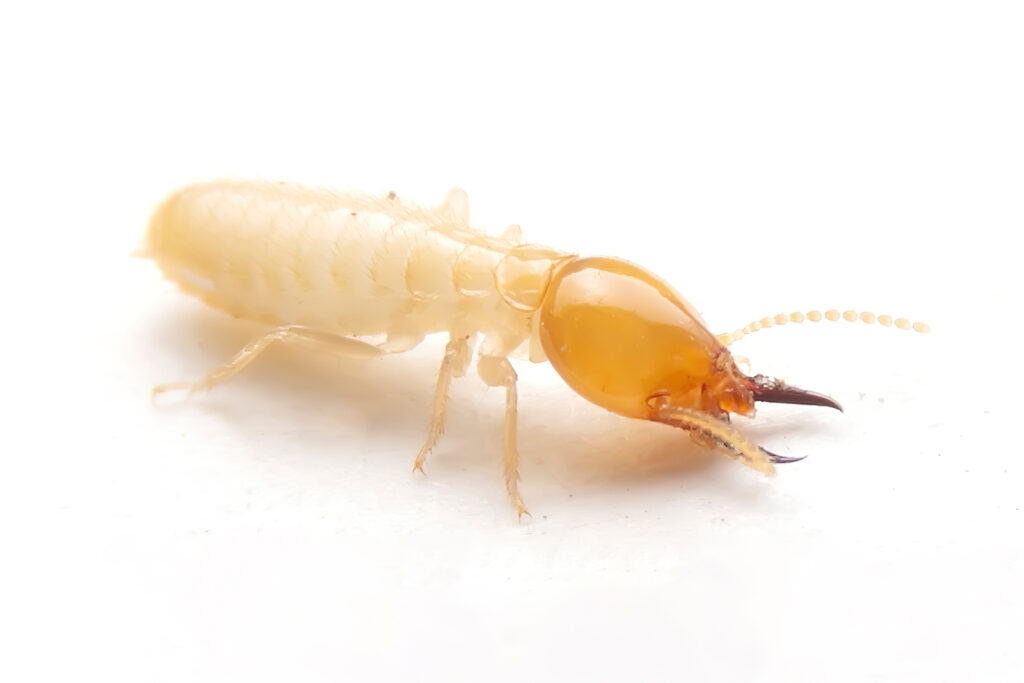
A licensed professional applies termiticide to soil around or beneath parts of a structure to help control termites entering from the ground. The application needs to be planned for the home’s construction and site conditions.
Bait systems: Bait stations contain a slow-acting insecticide in a cellulose or wood-based material. They need to be monitored and maintained; control can take longer than some other approaches.
Note: UC IPM notes that control can take months or longer.
Ask the inspector how the proposed treatment fits the report findings, what areas it covers, and what monitoring or follow-up is included.
What about dampwood termites?
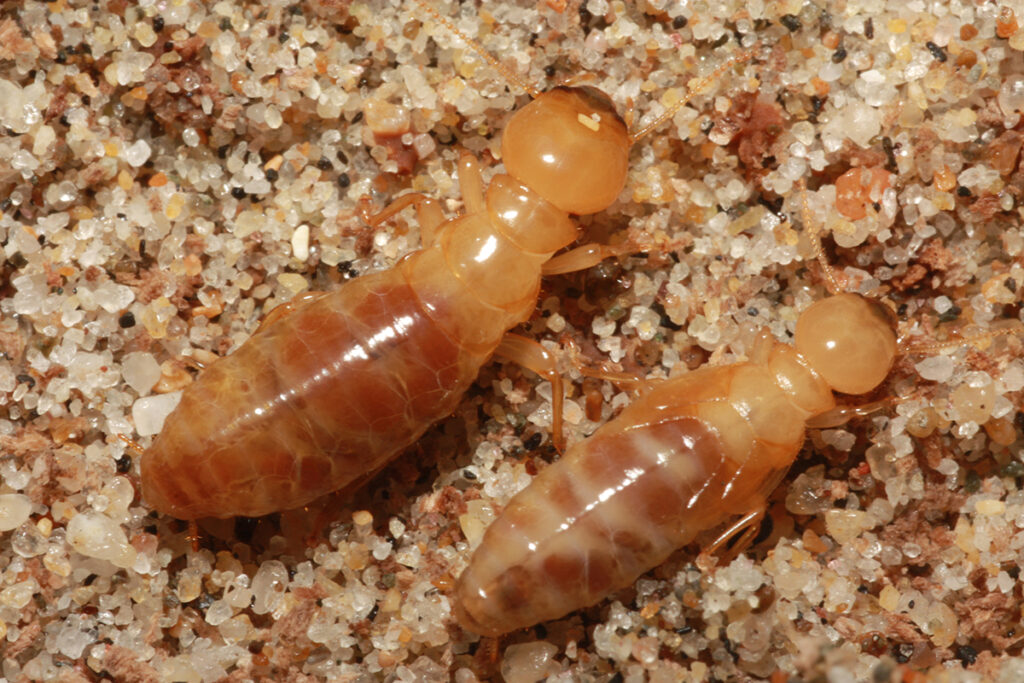
Dampwood termites are associated with wood that has high moisture content. Treatment may involve correcting the moisture source and replacing damaged wood. Ask the inspector whether a leak, drainage issue, or other moisture condition needs attention alongside any pest treatment.
Questions to ask before choosing
- What termite type and evidence support this recommendation?
- Which areas will the treatment cover?
- What are the limitations or likelihood of missed activity?
- What preparation or temporary vacancy is required?
- What follow-up inspections or monitoring are included?
- Is there a warranty, and what does it cover?